
By Marrakech Riads & Tours guide team — Local Morocco travel specialists
Imperial Cities of Morocco: A Seven-Day Tour Through Marrakech, Rabat, Fez and Meknes
A local's seven-day itinerary through Morocco's four imperial cities — Marrakech, Rabat, Fez and Meknes — with driving distances, what to skip, where to sleep and the Roman ruins most tour buses miss.

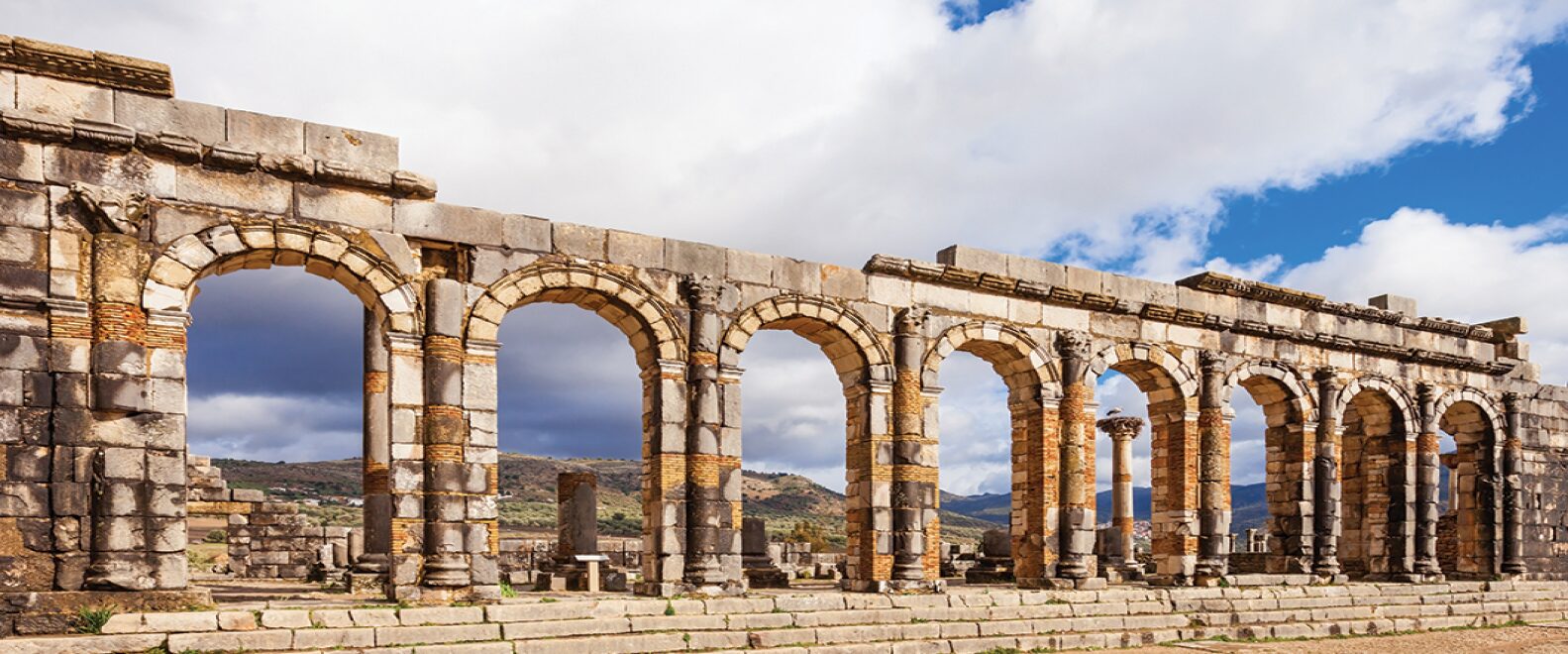
Morocco has four imperial cities — capitals chosen at different points in history by the dynasties that ruled the country. Marrakech, Rabat, Fez and Meknes each spent a turn at the centre of power, and each carries the fingerprints of the sultans who built them. Visit one and you see a fragment of the story. Visit all four in a single week, in the right order, and the country starts making sense.
This is the seven-day route we build for our own guests when they want the cultural-heritage circuit instead of the Sahara. It's the slowest, most architecture-heavy way to see Morocco — and the most rewarding if you care about history.
The seven-day itinerary at a glance
| Day | Sleep in | Drive | Highlights |
|---|---|---|---|
| 1 | Marrakech | — (arrive CMN or RAK) | Koutoubia, Bahia Palace, sunset Jemaa el-Fna |
| 2 | Marrakech | — | Saadian Tombs, Ben Youssef Madrasa, Majorelle |
| 3 | Rabat | 4h Marrakech → Rabat (via Casablanca) | Hassan Tower, Mohammed V Mausoleum |
| 4 | Fez | 2h 15 Rabat → Fez | Kasbah of the Oudayas (Rabat morning), arrive Fez evening |
| 5 | Fez | — | Fes el-Bali medina, tanneries, Jnan Sbil Garden |
| 6 | Meknes | 1h Fez → Meknes (via Volubilis) | Volubilis Roman ruins, Moulay Idriss, Bab El-Mansour |
| 7 | Marrakech | 6h 15 Meknes → Marrakech | Drive day or fly RAK ↔ FEZ to save 4 hours |
Most travellers ask whether the loop should start in Marrakech or Casablanca. We always recommend starting and ending in Marrakech if you're flying long-haul — the airport (RAK) has the best international connections and the city is the strongest cultural opener.
Step 1 — Marrakech, the Red City (Days 1–2)
You begin where most Morocco trips begin: in the medina of Marrakech, founded by the Almoravid dynasty in 1062. Almost 1,000 years later, the city walls still hold their original red-ochre colour, and the souks still spread out from the same square they did under Yusuf ibn Tashfin.
Day 1 essentials:
- Koutoubia Mosque — the 12th-century minaret that became the architectural blueprint for La Giralda in Seville and Le Tour Hassan in Rabat (which you'll see Day 3).
- Bahia Palace — built in the 1860s by Grand Vizier Si Moussa. The painted cedar ceilings are reason enough to come to Marrakech.
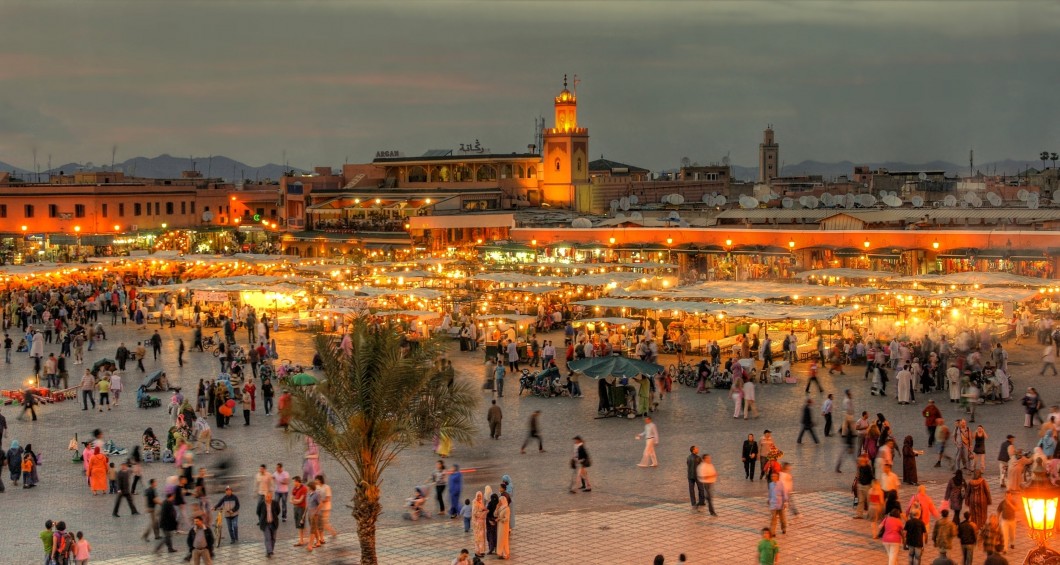
- Jemaa el-Fna at sunset — UNESCO-protected oral-heritage square. Snake charmers and storytellers until 7 p.m., then it transforms into one of the world's most chaotic open-air food markets.
Day 2 essentials:
- Saadian Tombs — the 16th-century necropolis sealed behind a wall by Sultan Moulay Ismail in 1672 and rediscovered only in 1917.
- Ben Youssef Madrasa — the largest Quranic school in North Africa, restored in 2022. The zellige tilework in the central courtyard is some of the finest in the country.
- Majorelle Garden + YSL Museum — Yves Saint Laurent's adopted Marrakech, plus the cobalt-blue villa originally built by French painter Jacques Majorelle in 1923.
For deeper context, read our Marrakech guided tours guide — almost everything on the itinerary above benefits from a licensed local guide who can get you into Bahia and the Madrasa without the queue.
Step 2 — Rabat, the Atlantic Capital (Day 3)
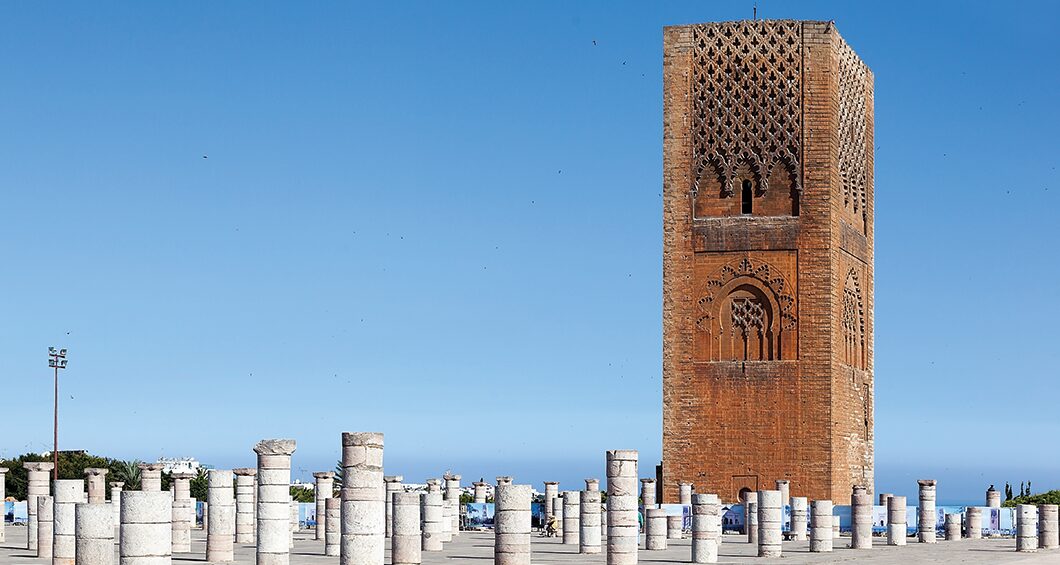
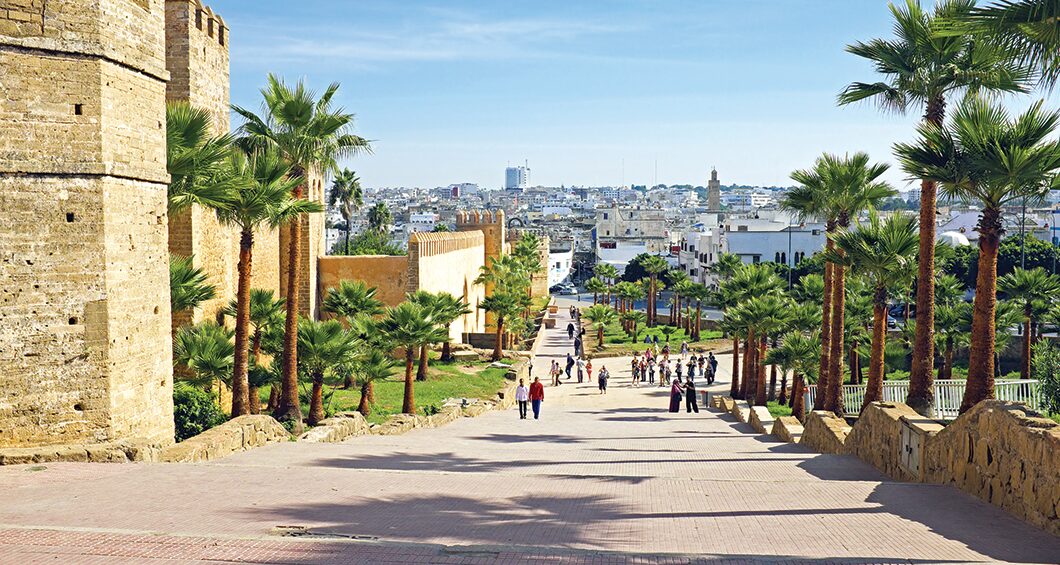
Rabat is Morocco's current capital and the country's quietest imperial city. The drive from Marrakech is about 4 hours via the A7 motorway, with an optional 2-hour stop in Casablanca to see the Hassan II Mosque (the third-largest mosque in the world, finished in 1993).
In Rabat itself, focus on:
- Hassan Tower — the unfinished minaret of what was meant to be the largest mosque in the Islamic world when Sultan Yacoub el-Mansour died in 1199.
- Mohammed V Mausoleum — built in 1971 for the founder of modern Morocco. The hand-carved cedar ceiling alone took artisans four years.
- Kasbah of the Oudayas — the blue-and-white walled enclave above the Bou Regreg river. Smaller than Chefchaouen but older and unrestored. Don't miss the Andalusian Gardens.
- Chellah — Roman ruins layered with Merinid-era tombs and storks nesting in the walls. Less famous than Volubilis but more atmospheric.
Step 3 — Fez, the Spiritual Heart (Days 4–5)
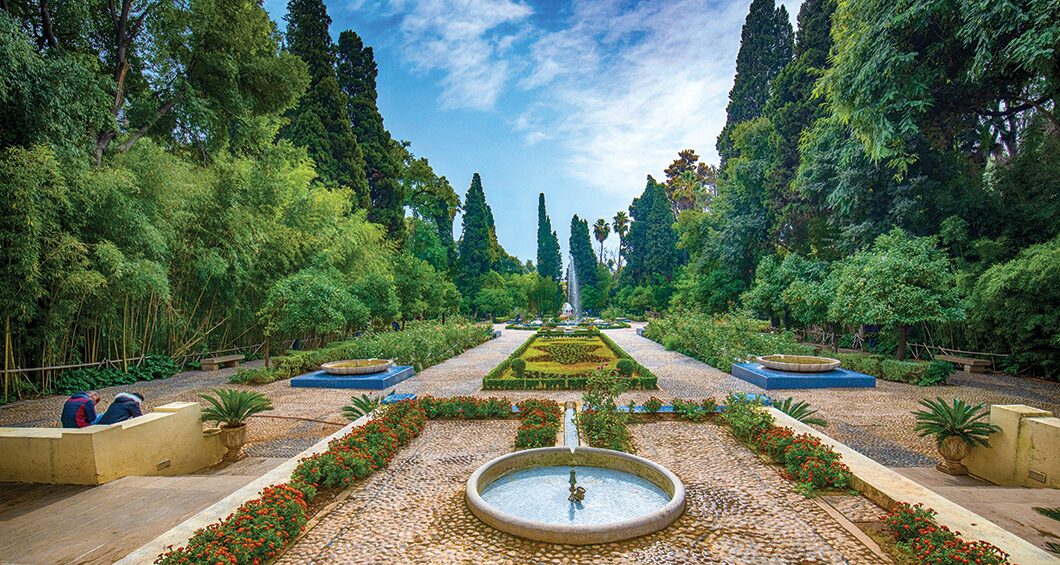
Drive 2 hours 15 minutes east from Rabat and you arrive in the oldest of the four imperial cities. Fez was founded in 789 by Idris I, and the medina of Fes el-Bali is the largest car-free urban area in the world — 9,000 alleys, no vehicles, donkeys still the main delivery system.
Day 4 (Fez arrival, half-day):
- Walk down to the Bab Bou Jeloud (Blue Gate) and lose yourself for the afternoon
- Al-Qarawiyyin — founded 859 AD, considered the world's oldest continuously operating university
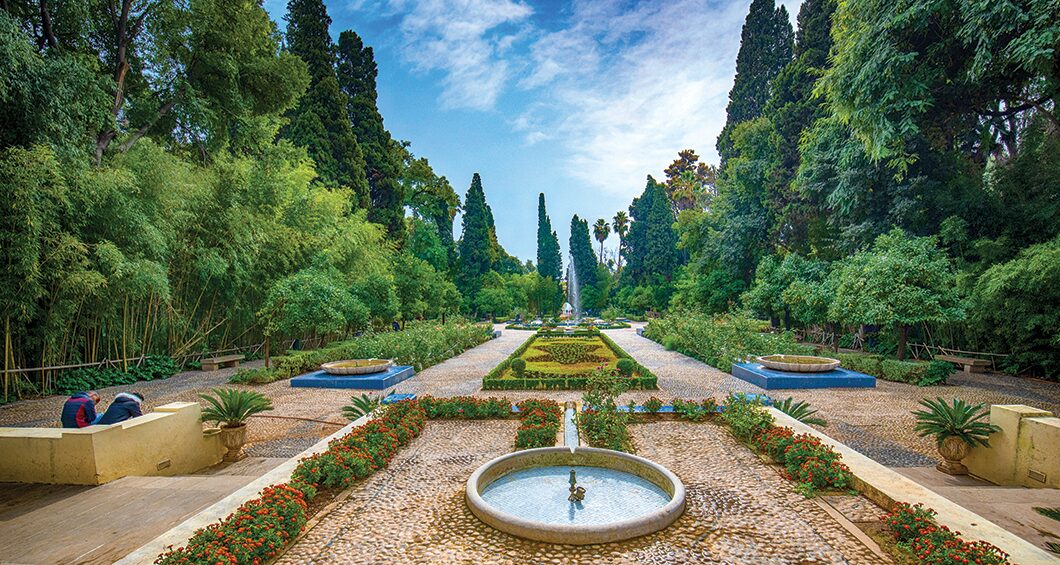
- Jnan Sbil Garden — the only public garden inside the medina walls
Day 5 (full Fez day):
- Chouara Tanneries — the open-air leather-dyeing pits look unchanged from the 11th century. Bring fresh mint from the rooftop terraces — the smell is real.
- Bou Inania Madrasa — the 14th-century Merinid masterpiece. Smaller than Ben Youssef in Marrakech but architecturally more refined.
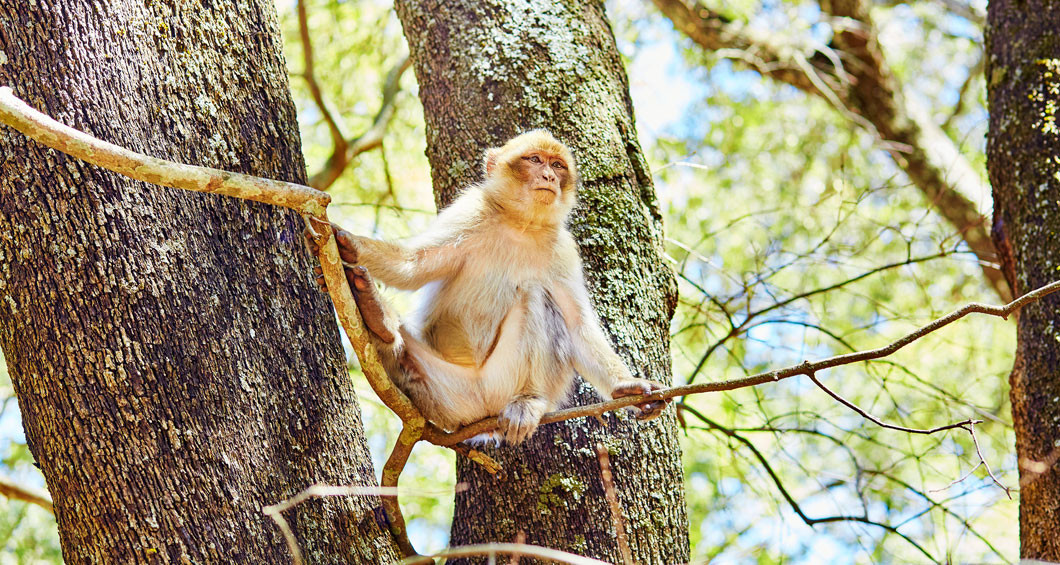
- Cedar Forest of Azrou — 70 km south of Fez, home to Barbary apes and the famous 800-year-old "Cedre Gouraud". Worth the half-day side trip if you have time.
Step 4 — Meknes + Volubilis (Day 6)
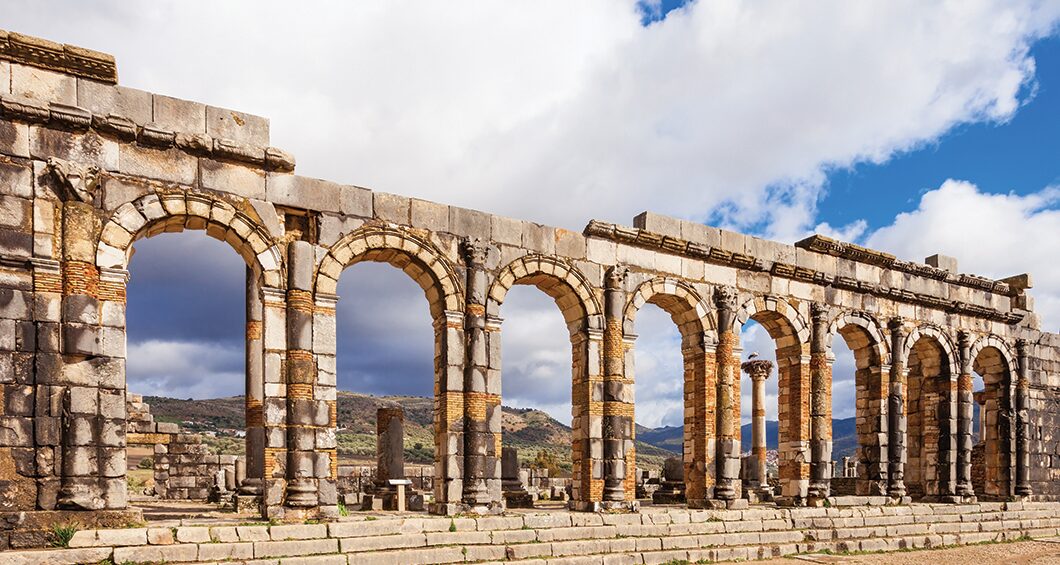
Meknes is 1 hour west of Fez and the most underrated of the four imperial cities. Sultan Moulay Ismail made it his capital from 1672 to 1727 and built it on a Versailles-like scale — granaries that could hold a year of food, stables for 12,000 horses, a city wall 40 kilometres long.
Don't miss:
- Bab El-Mansour — the most monumental gate in Morocco. Better in the late-afternoon light.
- Heri es-Souani granaries — Moulay Ismail's underground food stores, capable of feeding the entire city for a year of siege.
- Sahrij Swani — the 4-hectare artificial reservoir built to water the imperial gardens.
The real prize, though, is 22 km north of Meknes: the Roman ruins of Volubilis, inscribed on UNESCO's list in 1997. Founded in the 3rd century BC, abandoned in the 11th century AD, the floor mosaics are still in their original locations. Combine with the holy hilltop town of Moulay Idriss Zerhoun for the most-photographed afternoon of your trip.
Step 5 — Back to Marrakech (Day 7)
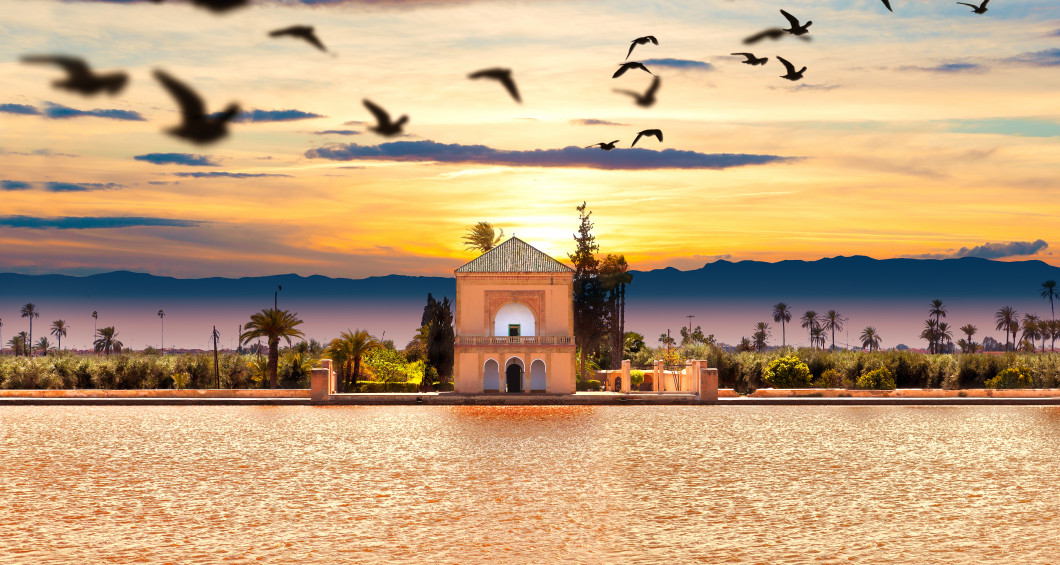
You have two choices for getting back:
- Drive — 6 hours 15 minutes via the A2 motorway. Beautiful through the Middle Atlas, exhausting at the end of a long week.
- Fly RAK ↔ FEZ — Royal Air Maroc operates a 55-minute flight, about €60–€90 one-way. Saves four hours and a sore lower back.
If you have an extra half-day on the return, Ifrane — Morocco's "Little Switzerland", a 1930s French alpine resort at 1,650 m altitude — is a charming pit-stop with red-roofed chalets, ski lifts and a brief escape from the desert heat.
Where to sleep on the imperial cities route
Each city has its own riad tradition, with slightly different architecture and styles. We typically book:
- Marrakech — a hand-picked riad in Mouassine or Bab Doukkala (see our Marrakech riads guide)
- Rabat — a small dar inside the medina near the Kasbah of the Oudayas
- Fez — a restored 17th-century riad in Fes el-Bali, ideally near R'Cif or Talaa Sghira
- Meknes — a guesthouse near Place el-Hedim, walking distance to Bab El-Mansour
When to do the imperial cities tour
March–May and September–November are best — the cities are inland and reach 38°C+ in July–August. Winter (December–February) is mild in Marrakech and Rabat but cold in Fez and Meknes (5°C nights, occasional snow on the road through the Middle Atlas).
Imperial cities tour — FAQ
Can you do the imperial cities tour without a guide? You can self-drive — Morocco's motorway network is excellent and signage is in French and Arabic. But the medinas of Fez and Meknes are confusing enough that most travellers book a half-day licensed guide for each city. Driving + guides is the sweet spot for confident travellers.
Is seven days enough for all four imperial cities? It's tight but workable, especially if you fly Fez → Marrakech on the return. For a slower-paced version, add Day 8 in Casablanca or Day 8 for a Volubilis-and-Moulay-Idriss morning before flying.
Can you combine the imperial cities with the Sahara? Yes, but plan 12+ days. Add 3 days at the end: Marrakech → Aït Ben Haddou → Merzouga → return. See our tours from Marrakech guide for the desert routing.
Which imperial city is most worth more time? Fez. The medina is twice the size of Marrakech's and almost untouched by modern tourism in the back lanes. If you can only add one extra day to this itinerary, add it to Fez.
Book your imperial cities tour
We design private imperial cities itineraries for couples, families and small groups, with licensed local guides at every stop and hand-picked riads in each city. Contact us for a tailored quote within 24 hours.
You can also see our existing Imperial Cities tour package for a ready-to-book version with full per-day breakdowns.
Filed under
Morocco Journal
Let's turn this story into your itinerary.
Explore private Morocco itineraries and ask our local team to tailor the route to your dates and travel style.
Continue reading
All stories →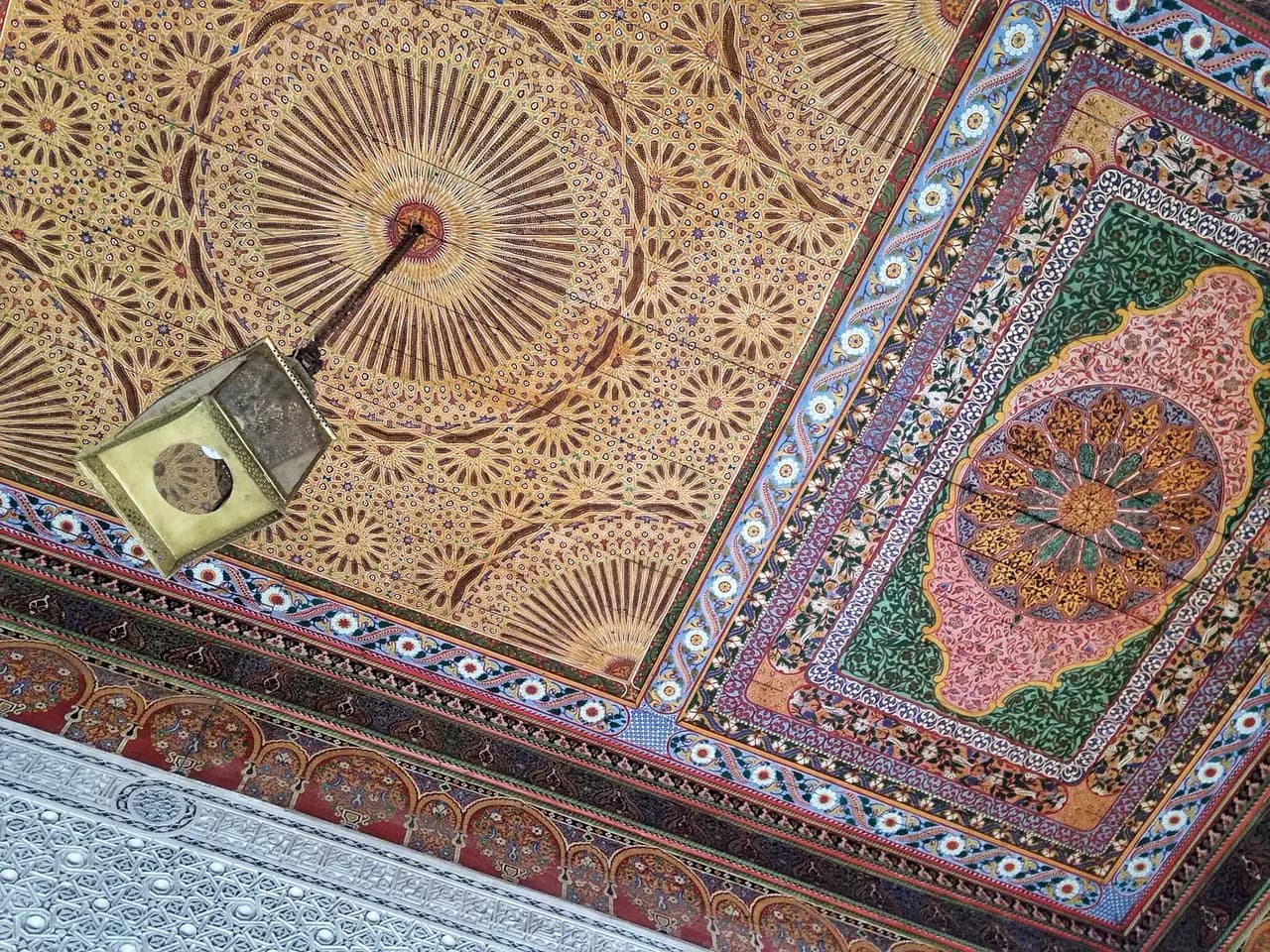
Marrakech in 3 Days: A Realistic First-Timer Itinerary
Plan three full days in Marrakech with a walkable medina route, Bahia Palace, Majorelle, proper breaks and clear advice on what to book and what to skip.

Marrakech, Meet the Unexpected: A Local's Guide to the Red City
A Marrakech-based travel agency's guide to the Red City — medina, Gueliz, Hivernage, Palmeraie — what to do, what to skip, where to escape the crowds and what only locals know.

Day Trips from Marrakech: 9 Best Excursions (2026)
The 9 best day trips and excursions from Marrakech, ranked by what they actually deliver — Atlas Mountains, Agafay, Ourika, Essaouira, Aït Ben Haddou, Ouzoud and the Sahara. Distances, timings, best seasons and which to skip, from a Marrakech-based agency.