
By Marrakech Riads & Tours guide team — Local Morocco travel specialists
Best Time to Visit Morocco: Month-by-Month
Month-by-month guide to Morocco weather, seasons and regions — from Marrakech and the Sahara to the Atlas and Atlantic coast — so you pick the perfect time to visit.

Morocco is the rare destination where the same calendar month can mean blazing Saharan heat and crisp Atlas snow — sometimes on the same day. The best time to visit Morocco depends entirely on where you're going and what you want to do. Get the timing right and the country is extraordinary. Get it wrong and you're sweating through 42°C medinas when the coast is a perfect 22°C two hours away.
After years of guiding travellers through every season, we've written this guide the way we'd answer the question face-to-face: honest, region-specific, and built around what you'll actually experience on the ground.
Morocco season by season
Morocco has four distinct seasons, each with a genuinely different character. None of them is "bad" — but each suits a different kind of trip.
Spring: March to May — the best overall window
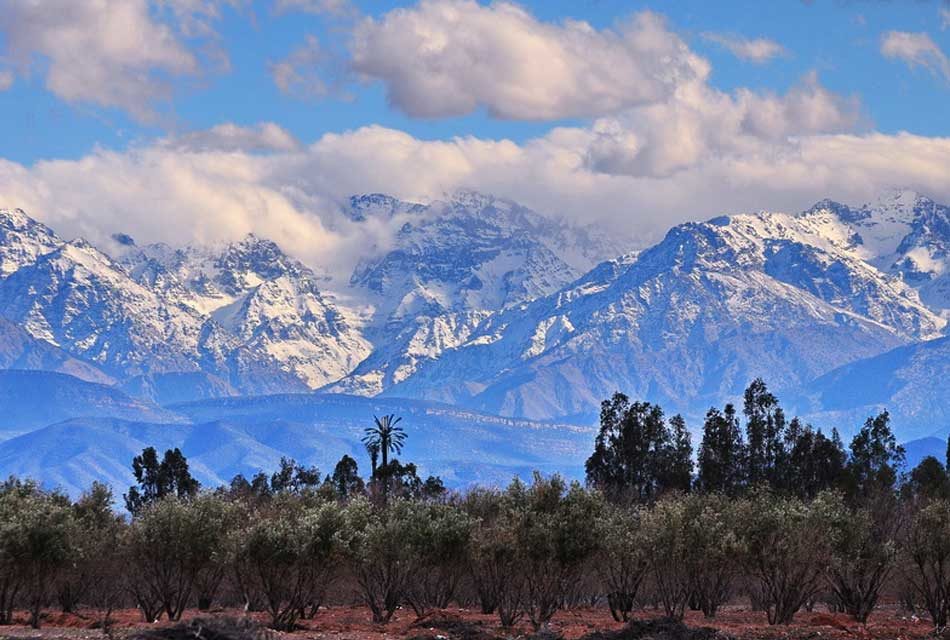
Spring is the finest time to visit Morocco. Temperatures across all regions are comfortable — Marrakech sits at 18–26°C, the Atlas is carpeted in wildflowers, the Sahara is warm but not savage, and the Atlantic coast is bright and breezy without winter chill.
What makes spring special is the light. The air is clear after the winter rains, the mountain snowpack is still visible on high peaks, and the Fes and Chefchaouen medinas are freshly repainted for the season. Almond, cherry and argan trees are in blossom through February into March, and the valleys around Ourika and Imlil are lush.
This is also shoulder-season pricing before the European summer rush. You'll find more availability in quality riads and better rates across the board.
Who spring suits best: first-time visitors, trekkers, desert travellers, families, and photographers. Spring is our single strongest recommendation for anyone asking "when should I go?"
Autumn: September to November — the other ideal window
The second peak is autumn, and in some ways it outdoes spring. The summer crowds thin after late September, temperatures drop back to the 22–28°C sweet spot, and the desert sand cools enough for comfortable overnight camping in the dunes from mid-October onwards.
October is arguably the single best month in all of Morocco: warm, clear, uncrowded, and with the kind of golden afternoon light that makes every Fes alleyway and Saharan dune look exactly like a film set. The Essaouira coast still has beach weather. The Atlas is hikeable without winter gear.
November is excellent too, though rain arrives on the north-facing slopes and nights in the mountains start to bite. Plan Chefchaouen before mid-November to avoid the heavier Rif rain.
Summer: June to August — coast and mountains, not the desert
Morocco in summer requires a plan. Inland cities — Marrakech, Fes, Meknes — hit 38–44°C regularly in July and August. The Sahara pushes past 48°C in the shade. These temperatures aren't just uncomfortable; they limit what you can actually do. Midday in a shadeless medina or on a Saharan dune is genuinely dangerous for unprepared visitors.
But Morocco in summer has a secret: the Atlantic coast and the High Atlas are delightful. Essaouira sits on a wind-punished headland and rarely exceeds 23°C even in August — the same day Marrakech swelters. Agadir, Taghazout and the surf beaches are alive with Moroccan families. The Atlas valleys above 1,500 metres are 15°C cooler than the city below.
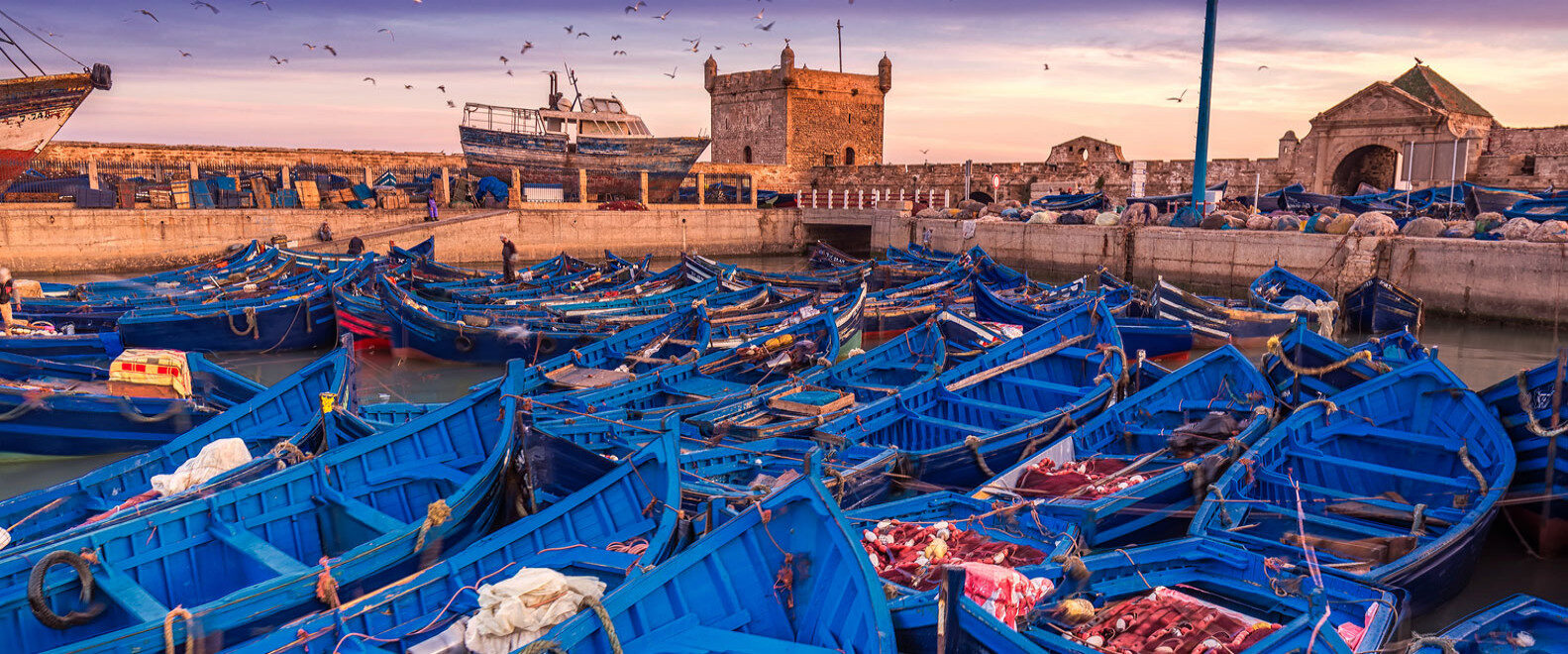
So summer trips work when they're built around the geography. We routinely design summer itineraries that pair two nights on the coast, a mountain valley stay, and skip the desert entirely. If the Sahara is your priority, plan for October–April instead.
Winter: November to February — desert season, mountain drama
Winter is the best time for the Sahara. Daytime dune temperatures are a perfect 18–22°C; nights are cold (2–8°C in December/January) but that's the point — it's the star-filled winter sky over Erg Chebbi that most desert travellers remember for decades. Our 3-day Marrakech to Merzouga tour is most popular from October through March for exactly this reason.
The Atlas in winter is a different kind of adventure: Oukaïmeden ski resort above Marrakech opens for a genuinely Moroccan ski experience, Imlil and the Toubkal region fill with snow, and Berber villages take on a quiet, fire-lit intimacy. Pack for it — temperatures at altitude drop well below zero.
Winter in the medina cities is mild and crowd-free. Marrakech winters sit at 18–21°C days with cool evenings. Riad prices drop. The souks are less frenetic. Fes and Chefchaouen are atmospheric in winter rain, though the Rif north can get heavy rainfall in January–February.
Morocco month-by-month: weather and verdict by region
The table below gives the ground-level picture across five regions. Temperatures are typical daytime highs/lows. Verdicts reflect the overall visitor experience.
| Month | Marrakech | Sahara / Merzouga | Atlantic Coast (Essaouira) | Atlas Mountains | Fes / Chefchaouen |
|---|---|---|---|---|---|
| Jan | 18°C / 5°C — mild, low crowds | 18°C / 2°C — ideal desert | 16°C / 8°C — brisk, quiet | Snow above 1,500 m — ski season | 14°C / 4°C — atmospheric |
| Feb | 20°C / 6°C — almond blossom | 20°C / 4°C — excellent | 17°C / 9°C — still quiet | Snow melting on lower slopes | 15°C / 5°C — fewer crowds |
| Mar | 23°C / 9°C — spring peak begins | 24°C / 8°C — great timing | 18°C / 10°C — brighter | Wildflowers, snow on peaks | 18°C / 7°C — ideal north |
| Apr | 26°C / 11°C — warm, brilliant | 28°C / 12°C — still fine | 20°C / 12°C — pleasant | Green valleys, good hiking | 21°C / 9°C — top pick |
| May | 30°C / 14°C — warm, manageable | 32°C / 16°C — getting hot | 22°C / 13°C — lovely | 24°C / 10°C — ideal trek | 24°C / 12°C — warm & sunny |
| Jun | 36°C / 18°C — hot inland | 38°C / 20°C — avoid | 22°C / 15°C — summer escape | 28°C / 12°C — still hikeable | 30°C / 16°C — hot |
| Jul | 40°C / 21°C — very hot | 44°C / 24°C — avoid | 23°C / 16°C — peak coast season | 30°C / 14°C — mountain refuge | 34°C / 18°C — hot |
| Aug | 40°C / 22°C — very hot | 46°C / 24°C — avoid | 23°C / 17°C — breezy & perfect | 28°C / 13°C — busy hike season | 34°C / 18°C — crowded |
| Sep | 34°C / 18°C — cooling | 36°C / 18°C — getting viable | 23°C / 16°C — still beach weather | 26°C / 10°C — excellent | 28°C / 14°C — easing |
| Oct | 27°C / 13°C — autumn peak | 26°C / 12°C — ideal desert | 22°C / 14°C — warm coast | 22°C / 7°C — best trekking | 24°C / 11°C — top pick |
| Nov | 22°C / 9°C — very pleasant | 22°C / 7°C — excellent | 19°C / 12°C — quieter | 18°C / 2°C — cooler, some snow | 19°C / 7°C — rain risk |
| Dec | 18°C / 6°C — mild winter | 18°C / 2°C — great desert | 17°C / 9°C — quiet | Snow above 2,000 m | 14°C / 4°C — wet in north |
When to visit the Sahara desert
October through March is the window for the Sahara. In those months, Erg Chebbi's great dunes near Merzouga are warm enough to enjoy during the day and cool enough for a comfortable overnight in a luxury desert camp. Sunrise over the dunes from atop a camel at 6 a.m. in November is one of the most striking experiences in travel.
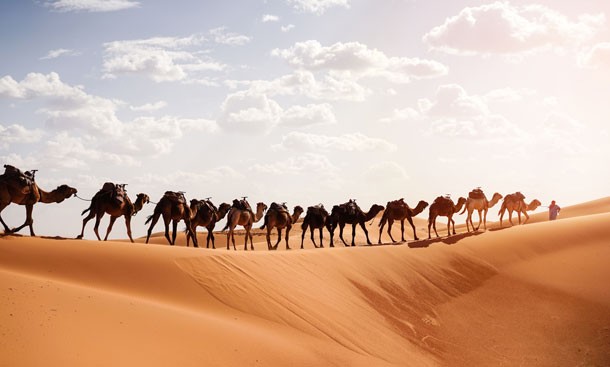
Avoid June through September in the deep desert. Heat in the Merzouga Sahara routinely touches 48°C in July — the sand itself can blister unprotected skin. Even fit, heat-acclimatised travellers find meaningful desert exploration impossible in midsummer.
Our 3-day Sahara tour from Marrakech runs from October through April, with October, November, February and March being the most-requested departures.
Travelling during Ramadan
Ramadan is not a reason to avoid Morocco — but it changes the rhythm of travel in ways you should understand before you arrive.
Ramadan 2027 falls approximately late January to late February; 2028 mid-January to mid-February. Dates shift about 10 days earlier each year.
During Ramadan, most restaurants close during daylight hours. The medina souks quieten in the afternoon as the fast peaks. But iftar — the sunset meal that breaks the fast — is one of the great communal experiences Morocco offers travellers. If your riad hosts an iftar spread or you're invited to join a family meal, accept without hesitation.
A few practical notes for Ramadan visitors:
- Cafés that cater to tourists usually stay open, but choice is narrower.
- Don't eat, drink or smoke in public during daylight hours — it's both illegal and disrespectful.
- The medinas come alive from sunset to 2 a.m. with street food, music and celebration. The atmosphere is genuinely unlike any other time of year.
- Desert camps and mountain guide services continue operating normally.
- The last ten nights of Ramadan and Eid al-Fitr at the end are especially festive. Book well ahead — domestic Moroccan travel spikes.
Shoulder-season value: the underrated windows
Late February (after Ramadan if applicable) and early November offer the best combination of good weather, uncrowded sites, and lower pricing. These are the windows we quietly nudge independent travellers toward when they're flexible. The Sahara is excellent, Marrakech is warm enough for medina afternoons in short sleeves, and the riads are more available at fair rates.
Matching your trip to the right season
- First visit, want everything? March–May or October–November.
- The Sahara is the priority? October through early April — not summer.
- Escaping summer heat? Essaouira coast or High Atlas valleys.
- On a tighter budget? January–February or November — great conditions, lower demand.
- Photography and light? October is gold. Early spring comes close.
- Chefchaouen's famous blue alleys? March–April (freshly repainted) or October for low crowds.
- Trekking Mount Toubkal? June–September on the summit. Atlas valley walks year-round.
We run tours from Marrakech to all of Morocco's major destinations year-round and build itineraries timed to the season — not a generic template. Browse our full tour destinations or explore related guides: the Essaouira day trip from Marrakech, day trips from Marrakech, our complete 3-day Sahara route, and the practical what to wear in Morocco packing guide for turning a season into a workable bag.
Whatever month you're planning for, we'll build your itinerary around it — and send a tailored plan within 24 hours. Tell us your dates and our licensed guides will take it from there.
Best time to visit Morocco — FAQ
The timing questions we get asked most before a Morocco trip.
October is the single best month if you want one answer: the heat has broken, the Sahara is perfect for overnight camping, the medinas are uncrowded, and the light is extraordinary. March and April run it close for spring wildflowers and fresh mountain air. The honest best window is either March–May or October–November — those are the two seasons we design most of our tours around.
Ready to plan your Morocco trip? Get a free tailored itinerary — a licensed local guide will reply within 24 hours with a plan timed exactly to your travel dates.
Filed under
Morocco Journal
Let's turn this story into your itinerary.
Explore private Morocco itineraries and ask our local team to tailor the route to your dates and travel style.
Continue reading
All stories →
Surfing Taghazout: A Local's Guide to Morocco's Atlantic Surf Capital
A Marrakech-based travel agency's guide to surfing Taghazout — the best surf breaks, when to visit, surf schools, where to stay, and how to combine a surf trip with Marrakech and the Sahara.

Marrakech to Sahara: 3-Day Merzouga Desert Guide
Your complete guide to a 3-day Sahara desert tour from Marrakech — Erg Chebbi dunes, camel trek, desert camp, and the route that makes it worth the drive.

Essaouira Day Trip from Marrakech: The Local Guide
Plan the perfect Essaouira day trip from Marrakech — Portuguese ramparts, Atlantic seafood, blue medina, argan goats, and Game of Thrones filming spots, 2.5 hrs west.